Sewer Scope Inspection
What It Is and Why It Matters for Homeowners Across the U.S.
Buying or owning a home comes with responsibilities that go far beyond what you can see during a casual walkthrough. One of the most overlooked but potentially most expensive—areas of a property is the main sewer line. Many homeowners only learn about sewer problems after a backup, flooding, or emergency repair. That’s where a sewer scope inspection becomes essential.
A sewer scope inspection is a specialized service that uses a high‑resolution camera to examine the condition of a property’s main sewer line. This inspection can reveal hidden problems long before they turn into costly disasters. Whether you’re purchasing a home, maintaining an older property, or experiencing unexplained plumbing issues, understanding sewer scoping can save you stress, money, and time.
This in depth guide explains what a sewer scope inspection is, how it works, when you need one, and why it matters for homeowners across the United States—not just in older cities.
Understanding a Sewer Scope Inspection
A sewer scope inspection is a camera‑based evaluation of the main sewer line that carries wastewater from your home to the municipal sewer system or septic connection. Unlike standard plumbing checks, this inspection focuses specifically on underground pipes that are otherwise invisible.
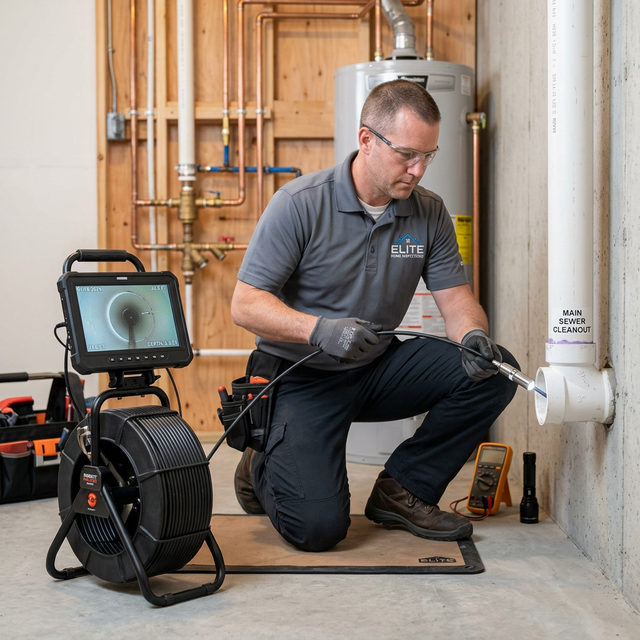
A trained inspector inserts a flexible, waterproof camera through an existing cleanout or access point. As the camera travels through the sewer line, it transmits live video footage to a monitor. This allows the inspector to assess the pipe’s condition in real time and record the findings for review.
The goal is to identify defects, damage, or obstructions that could disrupt wastewater flow or lead to backups inside the home.
How a Sewer Scope Inspection Works
The process is non‑invasive, efficient, and typically completed within 30 to 60 minutes. Here’s what usually happens during a sewer scope inspection:
First, the inspector locates the sewer cleanout. This is often found in a basement, crawl space, garage, or outside near the foundation. In some older homes, additional access methods may be required.
Next, the camera is carefully fed into the sewer line. The camera head is designed to navigate bends and joints while providing clear visuals of the pipe interior.
As the camera moves through the line, the inspector looks for signs of deterioration, blockages, or structural failure. Many modern systems also include a locator that identifies the camera’s position underground, helping pinpoint the exact location of any issue.
Finally, the inspector documents the findings. Homeowners receive a summary of observed conditions, video footage or images, and recommendations for next steps if problems are detected.
Common Problems Found During Sewer Scope Inspections
Sewer scope inspections often uncover issues that cannot be detected through routine plumbing use. Some of the most common problems include:
Cracked or Broken Pipes
Caused by aging materials, soil movement, or heavy loads above ground.
Tree Root Intrusion
Tree root intrusion, where roots enter small joints or cracks in search of moisture and nutrients, gradually blocking the line.
Pipe Misalignment or Bellies
Occur when sections of the sewer line sag and allow waste to collect instead of flowing properly.
Corrosion and Scaling
Especially in cast‑iron pipes, where interior surfaces deteriorate over time.
Foreign Objects
Foreign objects or debris buildup, including grease, wipes, or construction materials left from previous renovations.
Why Sewer Scope Inspections Matter
Sewer line repairs are among the most expensive plumbing projects a homeowner can face. Because these pipes are buried underground, repairs often involve excavation, landscaping disruption, or even foundation access.
A sewer scope inspection matters because it helps you:
- Avoid unexpected repair costs that can range from a few thousand dollars to tens of thousands for full replacements.
- Prevent sewage backups that can damage flooring, drywall, furniture, and personal belongings.
- Protect your health by identifying conditions that may lead to unsanitary living environments.
- Make informed decisions during a home purchase by understanding the true condition of the property.
- Plan proactive maintenance instead of reacting to emergencies.
The Importance of Sewer Scoping in Older Homes
Across many U.S. cities and suburbs, homes built before the 1980s often rely on sewer lines made from clay, cast iron, or Orangeburg piping. While these materials were standard at the time, they are more vulnerable to age‑related deterioration.
Clay pipes are prone to cracking at joints. Cast‑iron pipes can corrode from the inside out. Orangeburg pipes, made from compressed wood fiber and tar, are known to deform and collapse over time.
Sewer Scope Inspections for Home Buyers
For home buyers, a sewer scope inspection provides critical insight that a general home inspection may not cover. Standard inspections typically do not evaluate underground sewer lines unless visible symptoms are present.
By adding a sewer scope inspection during the due diligence period, buyers can:
- Identify existing sewer issues before closing.
- Request repairs or credits from the seller.
- Avoid inheriting costly problems immediately after move‑in.
- Gain confidence in the overall condition of the home.
Sewer Scope Inspections for Current Homeowners
Sewer scoping isn’t only for buyers. Current homeowners can benefit just as much, particularly if they notice recurring plumbing issues.
You should consider a sewer scope inspection if you experience:
- Frequent drain clogs or slow drainage in multiple fixtures.
- Gurgling sounds from toilets or sinks.
- Unpleasant sewer odors inside or outside the home.
- Past sewer backups or root removal treatments.
- Recent ground settling, driveway work, or landscaping changes near the sewer line.
Common Questions (FAQs)
Q:Can a sewer scope inspection detect tree root damage before it causes a backup?
Yes. Sewer scope inspections allow inspectors to see roots growing inside the pipes, even before they block the line. Early detection can prevent costly backups and emergency repairs.
Q:How long does a typical sewer scope inspection take?
Most sewer scope inspections take 30 to 60 minutes, depending on pipe length and accessibility. Modern camera systems make it a quick and non-invasive process.
Q:Are sewer scope inspections covered by home insurance?
In most cases, routine sewer scope inspections are not covered by standard home insurance, as they are considered preventive maintenance. However, insurance may cover repairs if damage is found due to an insured event.
Q:Can sewer line problems be fixed without digging up the yard?
Yes. Many issues, like minor cracks or root intrusion, can be addressed with trenchless methods such as pipe lining or root cutting. These methods minimize excavation, reduce cost, and protect landscaping.
Schedule Your Home Inspection Today
Do you need a home inspection in the United States? Nspire is the trusted leader in professional home inspections.